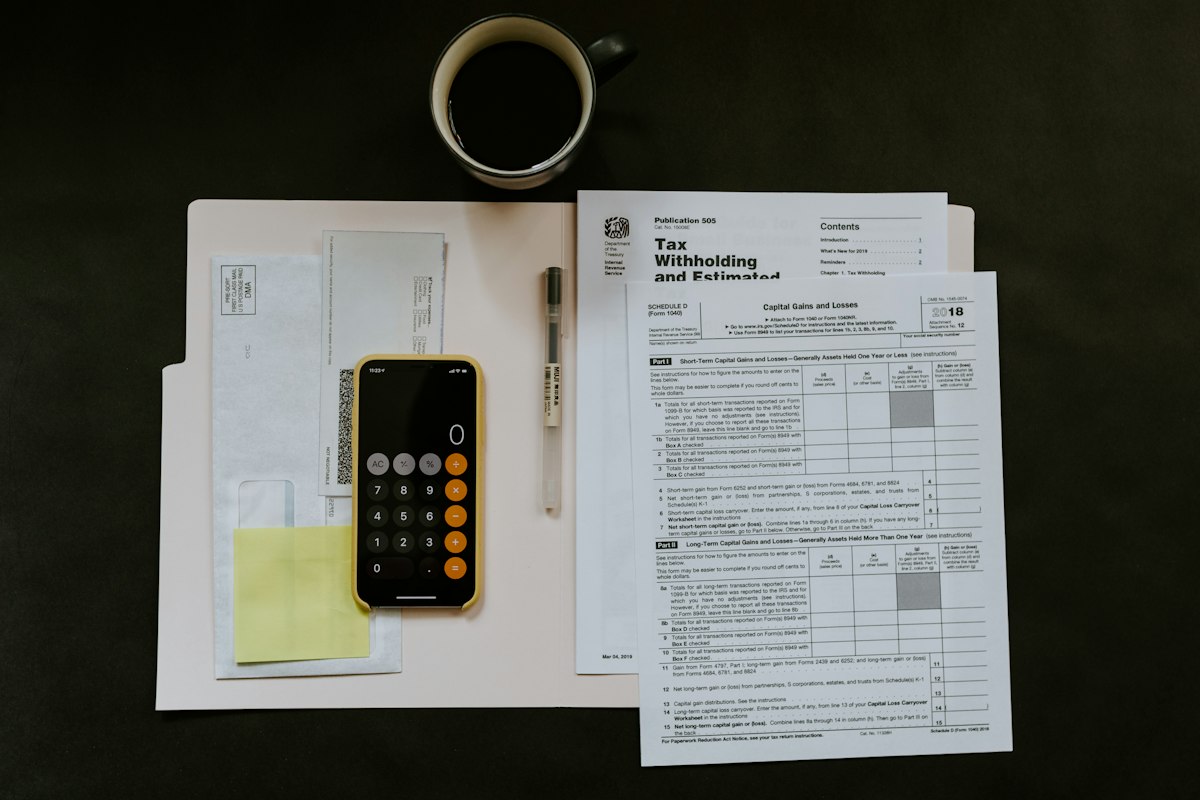
Lost after death: how money goes unclaimed — and how to make sure yours doesn’t
Around the world, bank balances, savings and life-insurance payouts end up unclaimed because nobody knew they existed. How the systems work in a few countries, and the simple habit that prevents it.
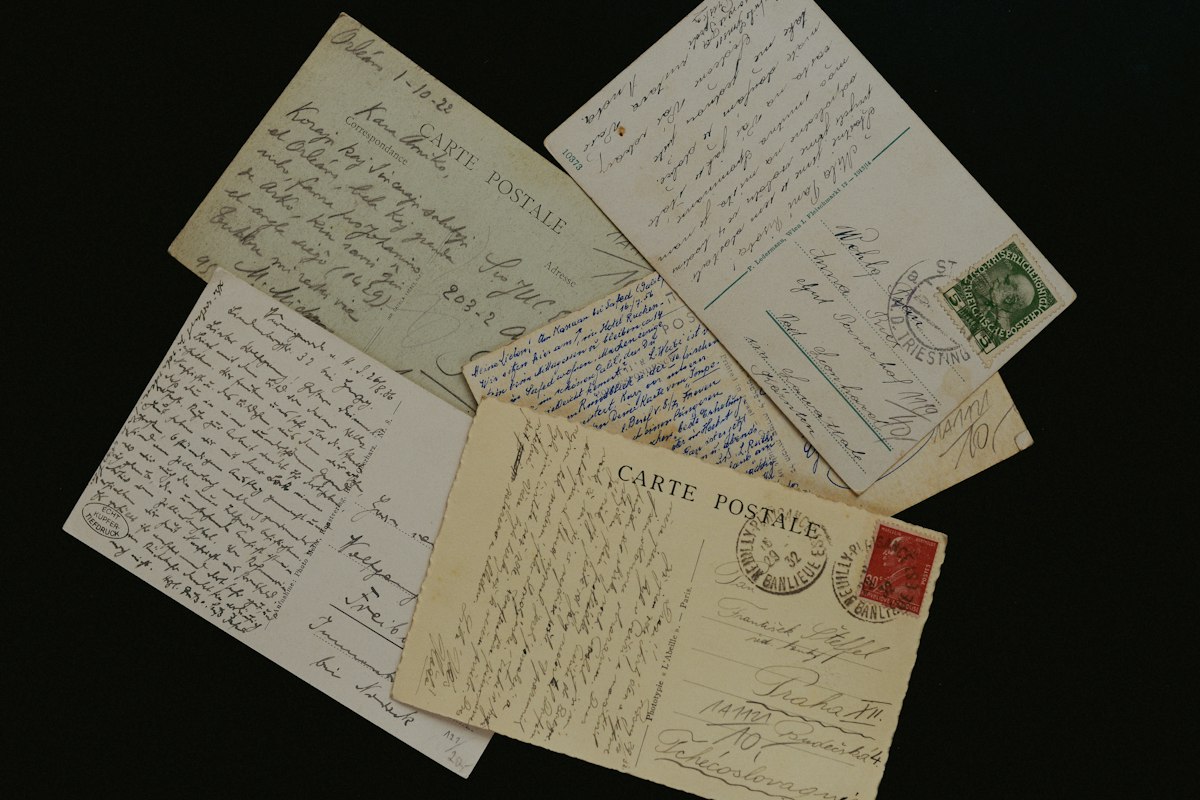
Money goes unclaimed after a death mainly because heirs do not know an account or contract exists. Many countries eventually transfer dormant balances to a public body, where heirs can still search for them — for example France’s Ciclade service under the 2014 Eckert law, US state unclaimed-property programs, or the UK’s dormant-assets arrangements. The most effective prevention is upstream: a complete, secure list of accounts and contracts that automatically reaches your heirs.
- Unclaimed money is mostly a knowledge problem, not a legal one.
- Many countries have public search tools for dormant accounts and unclaimed property — heirs should check them.
- Life-insurance contracts are a frequent blind spot because the beneficiary may not know they were named.
- A shared, current inventory is the cheapest and most reliable prevention.
Every year, accounts fall silent. A savings booklet opened for a grandchild, an old employer pension, a small brokerage account from the 2000s, a life-insurance contract nobody mentioned. When the holder dies, the institution waits for someone to come forward. Often, nobody does.
How a few countries handle it
| Country | Mechanism | Where heirs can look |
|---|---|---|
| France | The Eckert law (Law no. 2014-617 of 13 June 2014) organises the transfer of inactive bank accounts and unclaimed life-insurance contracts to the Caisse des Dépôts, and eventually to the State. | The Ciclade search service; for life insurance, a beneficiary search request can also be made through the dedicated industry body (AGIRA). |
| United States | Each state runs an unclaimed-property program that receives dormant accounts, uncashed checks, insurance proceeds and more. | State unclaimed-property websites and national search portals that aggregate many states. |
| United Kingdom | A dormant-assets scheme allows long-dormant balances to be used for good causes while preserving the owner's right to reclaim. | Industry tracing services for lost bank, building-society and investment accounts. |
Rules, time limits and websites change; check the official source in each country.
The checklist for heirs
- Search the official unclaimed-asset service of every country where the deceased lived or worked.
- Look through the last two years of bank statements for transfers to unknown accounts, premiums or contributions.
- Check tax returns for interest, dividends or foreign accounts declared.
- Ask former employers about pensions and employee savings plans.
- Request a life-insurance beneficiary search where such a service exists.
- Check email and paper mail for annual statements arriving after the death.
The checklist for you, today
All of the above is detective work done in grief. The alternative takes an afternoon: list every account and contract, with institution and country, and make sure the list reaches the right people. Use The digital estate inventory: a 90-minute method to map everything you own online as your method and Quiz: could your family find your assets tomorrow? to test how findable your assets are.
No account left behind
OSTREON lets you record each account and contract — even the small, old ones — with its institution, country, value and documents, encrypted on your device. Link it to the right beneficiary. If you stop confirming you're fine, each person receives secure access to what you assigned to them: no detective work, no years of silence.
It's precisely why OSTREON exists: billions sit unclaimed because families couldn't find what was theirs.
Start your free month →Frequently asked questions
Why do assets go unclaimed after death?
Mostly because heirs do not know the account or contract exists. Institutions wait for someone to come forward; after long inactivity, many countries transfer the funds to a public body.
How can I find unclaimed money of a deceased relative?
Use the official unclaimed-asset services of each country concerned (for example Ciclade in France or state unclaimed-property programs in the US), review bank statements and tax returns, and contact former employers and insurers.
What is the Eckert law in France?
Law no. 2014-617 of 13 June 2014, which governs inactive bank accounts and unclaimed life-insurance contracts, organising their transfer to the Caisse des Dépôts and making them searchable through the Ciclade service.
How can I prevent my assets from going unclaimed?
Keep a complete, up-to-date list of accounts and contracts and make sure it reaches your heirs automatically — for example in an encrypted OSTREON vault with assigned beneficiaries.
This article is general information, not legal, tax or financial advice. Rules differ by country and change over time — check with a qualified notary, lawyer or adviser for your situation.