
Inheritance tax around the world: a beginner’s map
Some countries tax what heirs receive, some tax the estate, and some tax neither. A plain-language map of how inheritance is taxed in a dozen countries — and why international families must look at more than one.
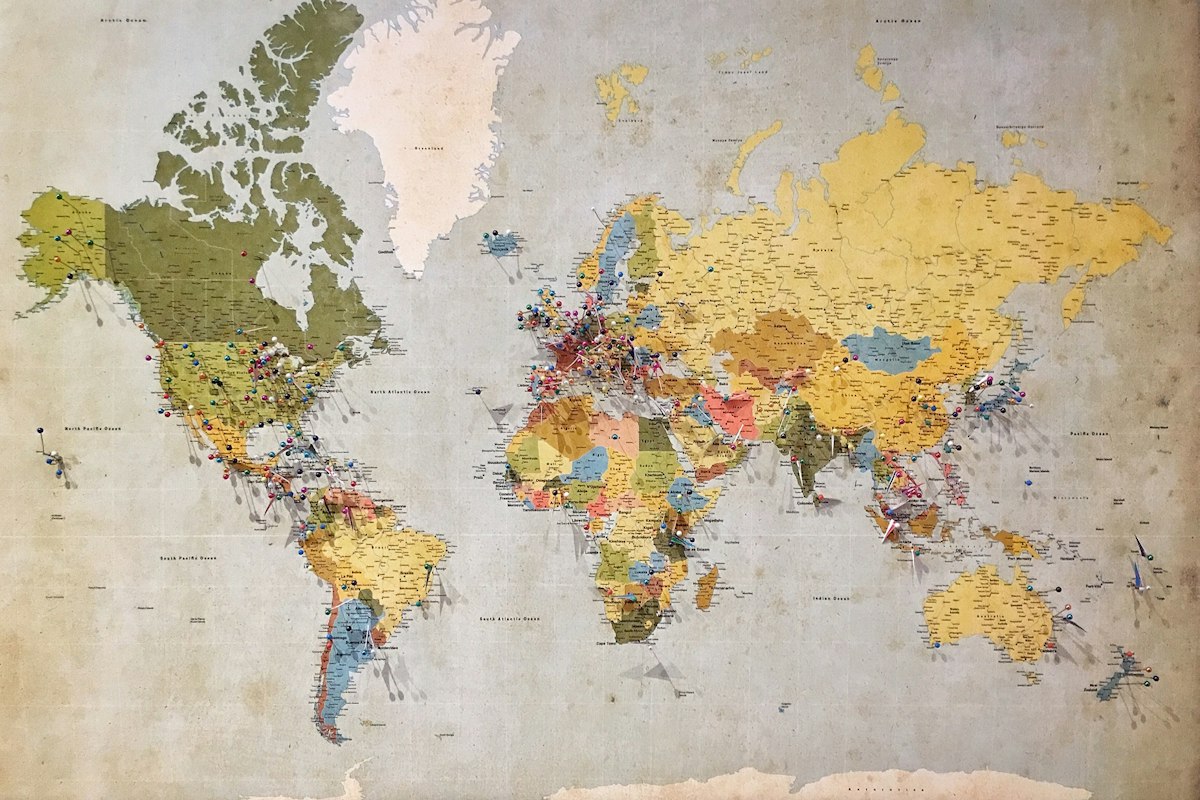
Countries take three broad approaches: an estate tax on the deceased’s total estate (for example the United States at federal level, or the United Kingdom’s inheritance tax which works on the estate), an inheritance tax on what each heir receives, usually depending on their relationship (for example France, Germany, Spain), or no inheritance tax at all (for example Australia, Canada, New Zealand, Singapore or Israel, though other taxes such as capital-gains rules at death may apply). International families may face more than one country’s rules, sometimes softened by tax treaties.
- Estate tax looks at the whole estate; inheritance tax looks at each heir.
- Close family usually pays less: spouses are often exempt.
- “No inheritance tax” rarely means “no tax at death”.
- Cross-border estates can be taxed in more than one country.
Tax rules change often. The figures below are simplified illustrations to help you understand the landscape, not advice. Check current rules with a tax professional in each country concerned.
Three approaches
A simplified map
| Country | Approach | Simplified illustration |
|---|---|---|
| United Kingdom | Tax on the estate | 40% above a £325,000 nil-rate band, with an additional residence allowance when a home passes to direct descendants; transfers to a spouse or civil partner generally exempt. |
| United States | Federal estate tax | Applies only above a very high per-person exemption; some states add their own estate or inheritance tax. |
| France | Inheritance tax by heir | Spouses and PACS partners exempt; children have an allowance of €100,000 per parent, then progressive rates up to 45%; much higher rates between non-relatives. |
| Germany | Inheritance tax by heir | Large allowances for spouses and children; rates depend on tax class and amount. |
| Spain | Inheritance tax by heir | National framework with strong regional variations; many regions grant large reductions to close family. |
| Italy | Inheritance tax by heir | Relatively low rates for spouses and children above a per-heir allowance. |
| Belgium | Inheritance tax by heir | Rules and rates set regionally. |
| Japan | Inheritance tax by heir | Progressive rates reaching high levels for large estates. |
| Australia, New Zealand | None | No inheritance tax; capital-gains rules may apply when inherited assets are later sold. |
| Canada | None as such | Assets are generally deemed sold at death, which can trigger capital-gains tax in the final return. |
| Singapore, Israel, UAE | None | No inheritance or estate tax. |
| Portugal | No inheritance tax as such | Stamp duty may apply, with close family generally exempt. |
When more than one country is involved
Tax may be claimed where the deceased lived, where an heir lives, and where an asset is located. Some countries have treaties that avoid or reduce double taxation; many don't. That is one more reason to map every asset by country (Assets in three countries: a cross-border inheritance playbook).
Tax starts with a complete inventory
No adviser can estimate inheritance tax on assets they don't know about. OSTREON's asset portal records each asset with its country, value history and co-owners, and the wealth report shows exposure by category — a clean starting point to share with your tax adviser, and a complete map for your heirs.
Start your free month →Frequently asked questions
What is the difference between estate tax and inheritance tax?
Estate tax is levied on the deceased’s total estate before distribution; inheritance tax is levied on what each heir receives, usually depending on their relationship to the deceased.
Which countries have no inheritance tax?
Examples include Australia, New Zealand, Canada (though deemed disposition at death may trigger capital-gains tax), Singapore, Israel and the UAE. Rules change, so check current law.
How much is inheritance tax in the UK?
Broadly 40% on the value of the estate above the £325,000 nil-rate band, with an additional residence allowance in some cases; transfers to a spouse or civil partner are generally exempt.
Can an inheritance be taxed in two countries?
Yes. Tax may be claimed where the deceased lived, where the heir lives and where the asset is located. Tax treaties may reduce double taxation.
This article is general information, not legal, tax or financial advice. Rules differ by country and change over time — check with a qualified notary, lawyer or adviser for your situation.