
The letter of wishes: the most human document in your estate plan
Wills are legal and terse. A letter of wishes explains the why behind your decisions, the how for your family, and the things a will can’t say. How to write one that helps rather than hurts.
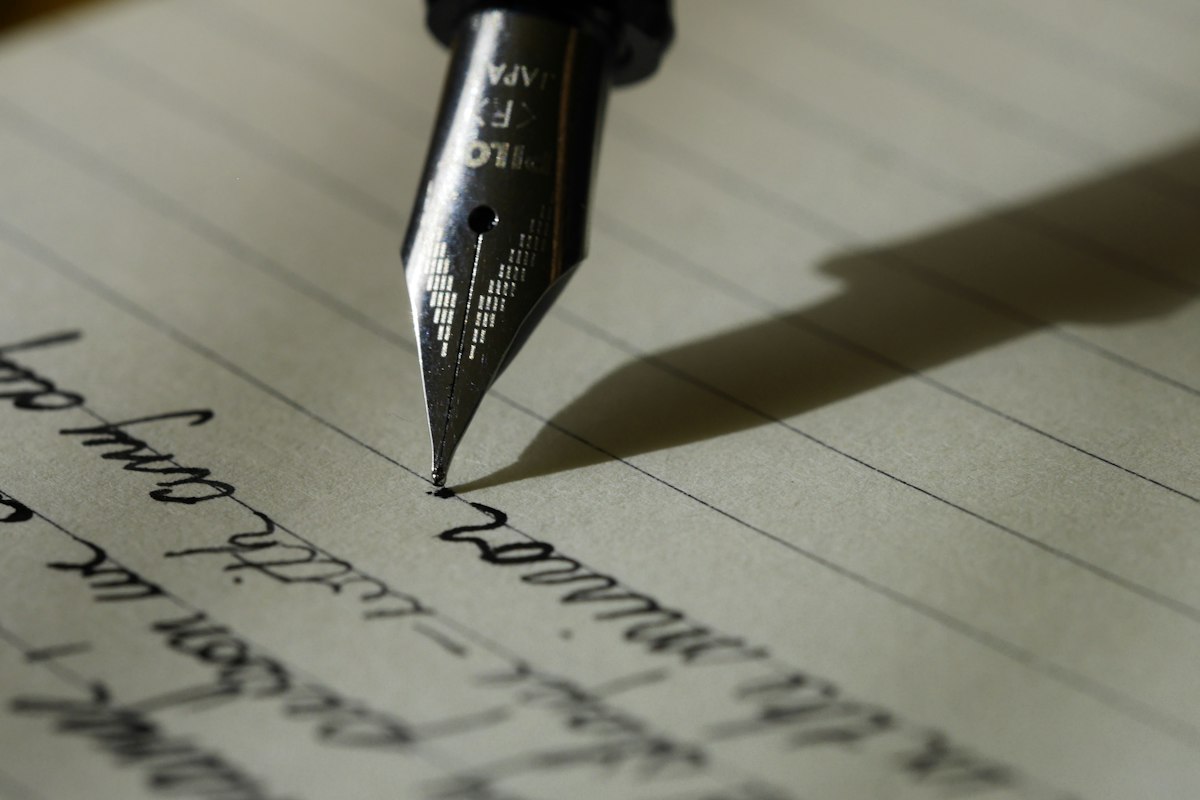
A letter of wishes is an informal, generally non-binding document that accompanies your will. It explains your reasons (for example, why shares are unequal), gives practical guidance to executors, trustees or guardians, and records wishes about personal items, pets, digital accounts or values. Because it isn’t a formal legal act, it can be updated easily — but it should never contradict your will or contain secrets such as passwords.
- A will says what; a letter of wishes says why and how.
- Explaining unequal decisions in your own words prevents many family disputes.
- Keep it consistent with your will — the will prevails in case of conflict.
- Update it as life changes; store it where the right people will receive it.
A will has to be precise, formal and legally robust. That is its strength — and its limit. It cannot easily say “I left the house to Clara because she cared for me those last years, and I hope her brother understands.” A letter of wishes can.
What a letter of wishes is (and isn't)
| Will | Letter of wishes | |
|---|---|---|
| Legally binding | Yes | Generally no (guidance only) |
| Formalities | Strict | Minimal |
| Tone | Legal | Personal |
| Easy to update | No | Yes |
| Typical readers | Notary, executor, heirs | Executor, trustees, guardians, family |
Six things worth writing
- Your reasonsWhy you divided things as you did. Unequal does not have to mean unfair — but silence often reads that way.
- Guidance for decision-makersFor a guardian: your hopes for your children's education. For a trustee: how flexible to be.
- Personal itemsWho should receive the watch, the photo albums, the recipes. Small objects cause big fights.
- Digital lifeWhich accounts to memorialise or delete, what to do with photos and writing (Your photos are an inheritance too: preserving digital memories).
- Practical wishesPets (Who takes the dog? Including pets in your estate plan), the family house, the business (Founders and freelancers: what happens to your business if you’re gone tomorrow?).
- A messageGratitude, apology, encouragement. The paragraph your family will reread most.
Never contradict your will — if in doubt, ask your notary or lawyer how the documents interact. And never include passwords or recovery phrases: those belong in an encrypted vault with controlled release.
Write it once, update it anytime, deliver it to the right person
In OSTREON you can attach personal messages to your inheritance tree and to individual assets, encrypted on your device. Write a general letter for everyone, and private notes for each person — the guardian, the child who receives the house, the friend who takes the dog. Each person receives only their own message, when the time comes.
Start your free month →Frequently asked questions
What is a letter of wishes?
An informal, generally non-binding document accompanying a will, explaining the reasons for your decisions and giving guidance to executors, trustees, guardians and family.
Is a letter of wishes legally binding?
Generally not. It guides the people involved but the will prevails if the two conflict. Ask your notary or lawyer how it applies in your country.
What should I include in a letter of wishes?
Your reasons for key decisions, guidance for guardians or trustees, wishes about personal items, pets and digital accounts, and a personal message.
Where should I keep my letter of wishes?
Somewhere the right people will receive it at the right time, and never alongside passwords in plain text. OSTREON lets you attach encrypted personal messages for each beneficiary.
This article is general information, not legal, tax or financial advice. Rules differ by country and change over time — check with a qualified notary, lawyer or adviser for your situation.