The bitcoin that vanished: a (fictional) inheritance story
A short story about Marc, a careful man who did almost everything right — and the one thing he didn’t that cost his family their savings. Fiction, built from patterns that happen every day.

This is a fictional story illustrating a common pattern: an investor secures crypto well against thieves but makes no plan for heirs, so the family cannot find or unlock the wallet after his death. The lessons: separate knowing that assets exist from controlling them, document location and access in a secure system with conditional release, and write instructions a non-expert can follow.
- Strong security without an inheritance plan is a locked door with no key holder.
- The family must first know that crypto exists — then where — then how.
- A hidden seed backup that only one person knows about is a single point of failure.
- Prepare instructions for someone who has never used a wallet.
This story is fictional. Names, places and amounts are invented; the pattern is real.
Marc was the careful one in the family. He read about security, used a password manager, turned on two-factor everywhere. In 2017 he bought a little bitcoin, then a little more. By 2024 it had become the largest part of his savings.
He did everything the guides recommended against thieves. A hardware wallet. A 24-word recovery phrase written on paper, never photographed, never typed into a computer. A passphrase — the “25th word” — that he kept only in his head. The paper was hidden somewhere only he knew.
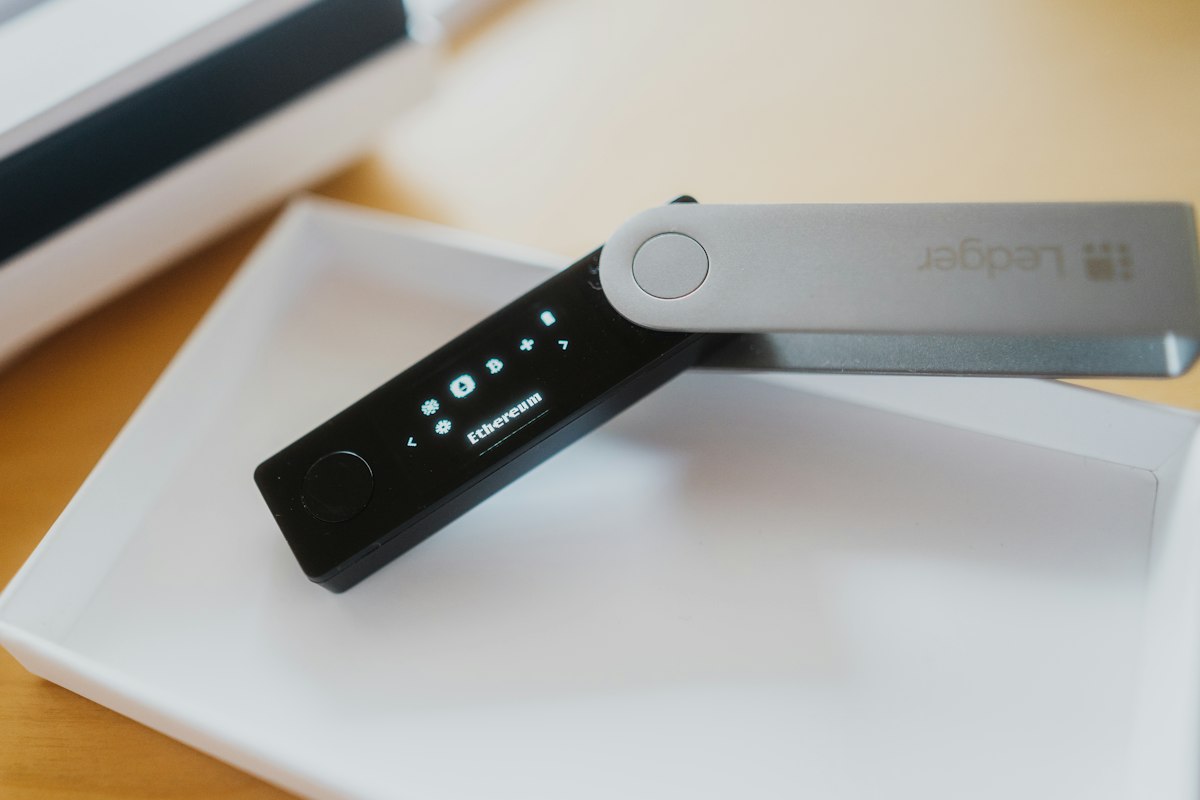
Marc was 52 when he had the heart attack. His wife, Hélène, knew he “had some crypto”. She did not know how much, on which device, or that a device existed at all. The small grey object in his desk drawer looked like a USB key. She almost threw it away.
The notary handled the house, the bank accounts and the life insurance. When Hélène mentioned crypto, he said what an honest notary says: he could document the asset if she could prove it existed and access it — but he could not open it.
A month later, a stranger contacted Hélène on social media offering to “recover deceased persons' wallets” for a fee. Her son, Léo, recognised the scam just in time (see Inheritance scams in the age of AI: deepfakes, fake notaries and phishing heirs).
Léo found the hardware wallet's brand from the device. He found the exchange where Marc had first bought coins, but the account was nearly empty: Marc had moved everything to self-custody. Without the recovery phrase and the passphrase, the coins could not be moved. Somewhere, perhaps in a book, perhaps behind a frame, a sheet of paper still holds the 24 words. The passphrase is gone for good.
What went wrong — and what would have worked
| Marc did | What was missing | What would have worked |
|---|---|---|
| Secured the wallet against theft | A plan for heirs | Encrypted record with conditional release (How to pass on crypto without ever revealing your seed phrase) |
| Hid the seed phrase | Anyone knowing where | Location recorded, released only to his heir |
| Used a passphrase | A backup of it | Stored with the phrase in the same sealed record |
| Told his wife “I have some crypto” | Device, amount, instructions | A one-page guide for a non-expert |
How Marc's story ends with OSTREON
Marc records his bitcoin wallet in OSTREON: device brand, where it is kept, the recovery phrase, the passphrase and a simple instruction note for Hélène — all encrypted on his device, unreadable even by OSTREON. He assigns it to Hélène, with Léo as second priority. Every 30 days he clicks “I'm fine”. When he stops, after reminders and the delay he chose, Hélène receives an activation link, a 32-character key sent separately and a one-time code, and unlocks only what Marc left her. She never needs a “recovery service”.
Start your free month →Frequently asked questions
Can a family recover bitcoin if the owner dies without sharing the seed phrase?
For a self-custodied wallet protected by a recovery phrase (and possibly a passphrase), generally not. Without those secrets the coins cannot be moved.
What is a crypto passphrase or “25th word”?
An optional extra secret added to a recovery phrase. It increases security but, if lost, makes the wallet unrecoverable even with the 24 words.
How can I make sure my family can access my crypto after my death?
Record the wallet’s existence, location, recovery phrase, passphrase and instructions in an encrypted system that releases them only to your designated heir when a trigger occurs, such as OSTREON.
Are crypto recovery services for deceased people legitimate?
Be very cautious. Services contacting bereaved families and asking for upfront fees or seed-phrase fragments are frequently scams.
This article is general information, not legal, tax or financial advice. Rules differ by country and change over time — check with a qualified notary, lawyer or adviser for your situation.