
The annual legacy check-up: a 20-minute ritual
Estate plans fail quietly — through a changed phone number, a closed account, a new grandchild. A once-a-year, 20-minute review keeps everything true. Here is the exact checklist.
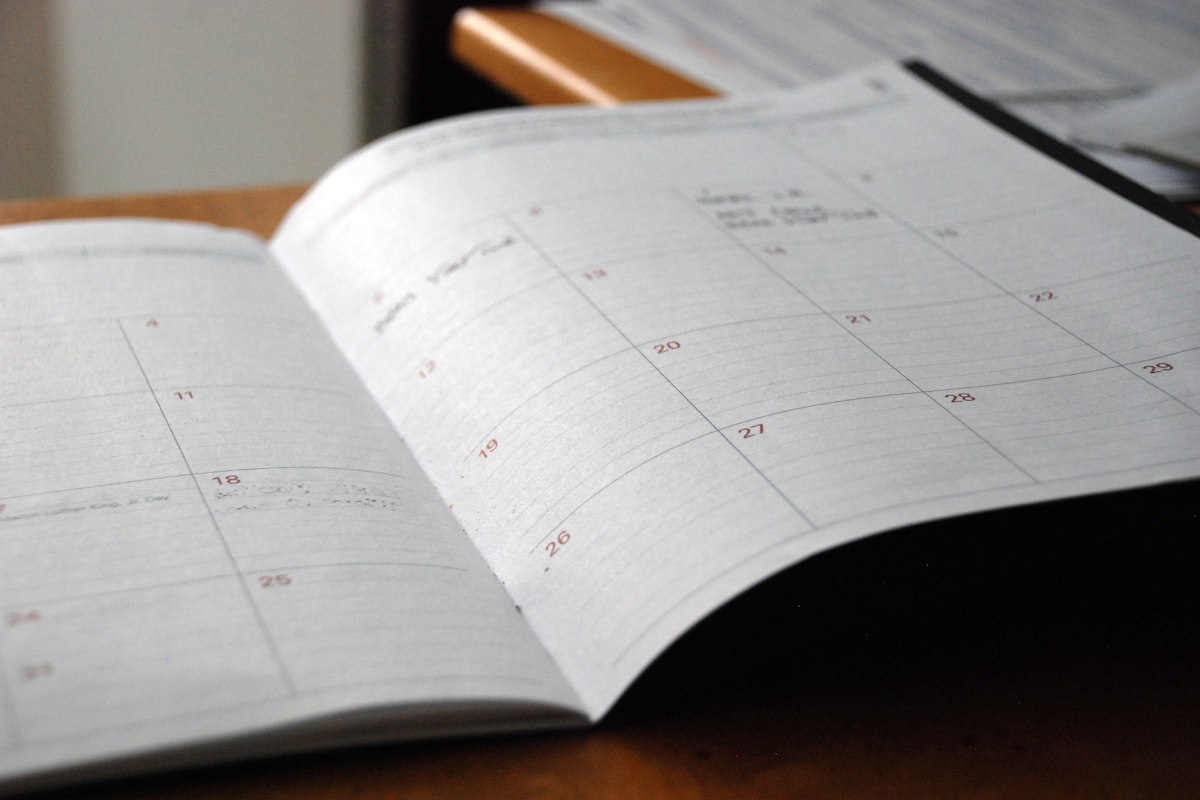
An annual legacy check-up is a short, recurring review of your estate plan: confirm your assets and values, add new accounts and remove closed ones, check beneficiaries and their contact details, review guardians and powers, refresh access instructions and two-factor backups, reread personal messages and confirm documents are current. Twenty minutes once a year prevents most of the silent failures that hurt families.
- Plans don’t fail dramatically; they drift.
- Contact details of beneficiaries are the most common silent failure.
- Tie the review to a fixed date you’ll never forget.
- Small updates yearly beat a big overhaul every decade.
Estate plans rarely fail because they were badly designed. They fail because the world moved: the beneficiary changed email address, the bank merged, the phone with the authenticator app was replaced, a grandchild was born. A short yearly ritual catches all of that.
Pick your date
Your birthday, New Year's Day, the day you file your taxes — any fixed date works. Put it in your calendar as a recurring 20-minute appointment with yourself.
The 20-minute checklist
New accounts or contracts this year? Anything closed or sold? Update approximate values.
Beneficiaries still right? Their emails and phone numbers current? Any new family member — or someone to remove? Guardians still willing and able?
New phone or authenticator? Update backup codes. Changed your password manager's master password? Make sure the stored version is current (Two-factor authentication can lock your heirs out. Plan for it.).
Reread your personal messages. Is your will still where you said? Any new document to attach — a deed, a new policy?
A marriage or separation, a birth, a move abroad, a property purchase, a new business or equity grant, or a serious health event.
The check-up that checks in on you
OSTREON's keep-alive already brings you back regularly — every 7 to 90 days. Use one of those visits each year for your check-up: update values in the table, verify beneficiaries in your inheritance tree, refresh documents and messages. Everything stays encrypted on your device.
Start your free month →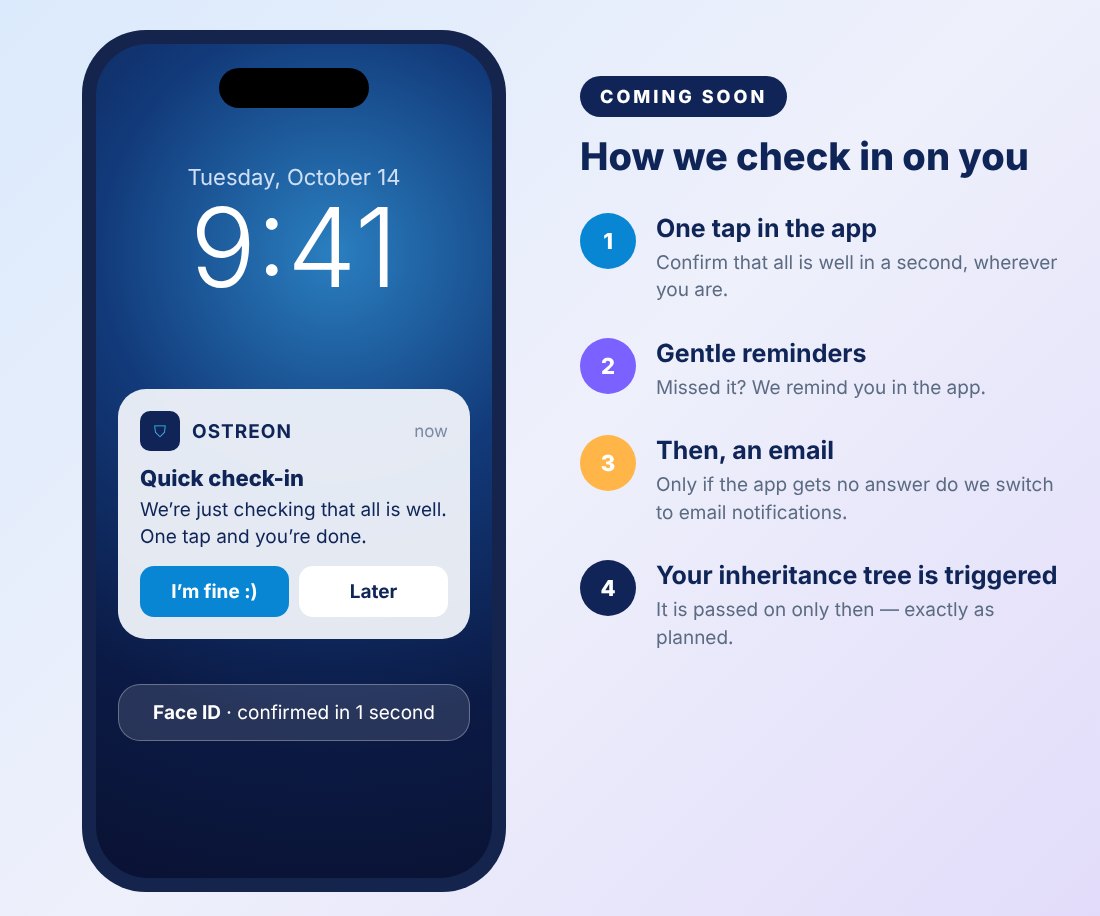
Frequently asked questions
How often should I review my estate plan?
Do a short review once a year and an extra one after major life events such as marriage, separation, a birth, a move abroad or a property purchase.
What should an annual estate-plan review include?
Assets and values, beneficiaries and their contact details, guardians and powers of attorney, access instructions and 2FA backups, personal messages and documents.
What is the most common reason estate plans fail?
Outdated information — old contact details, closed accounts, changed devices or beneficiary designations that no longer reflect the family.
How does OSTREON help keep a plan current?
Its periodic keep-alive check brings you back regularly, and you can update assets, beneficiaries, documents and messages in minutes.
This article is general information, not legal, tax or financial advice. Rules differ by country and change over time — check with a qualified notary, lawyer or adviser for your situation.