What happens to a bank account when its owner dies?
Frozen or not? Can the funeral be paid? What about joint accounts and direct debits? Clear answers to the questions families ask their bank — with the caveat that rules vary by country.

Once a bank is told that an account holder has died, it usually restricts the individual accounts in their name until the heirs or the person legally authorised to act are identified; balances then form part of the estate. Joint accounts often remain usable by the surviving holder, depending on the account type and local law. Many countries allow certain urgent costs, such as the funeral, to be paid from the deceased’s accounts within limits. Direct debits generally stop, and the bank will ask for a death certificate and proof of who is entitled.
- Individual accounts are typically restricted as soon as the bank is informed.
- Joint accounts usually continue for the survivor — but heirs may have rights over part of the balance.
- Funeral costs can often be paid from the deceased’s funds within limits set locally.
- Banks can only report on the accounts they hold: heirs must find the others.
Is the account frozen?
Usually, yes — at least partly. Once informed of the death, the bank stops normal operations on individual accounts to protect the estate. Incoming payments may still arrive; outgoing payments are restricted until someone with authority (an executor, administrator, notary or the heirs, depending on the country) gives instructions.
What about joint accounts?
In many countries, a joint account remains available to the surviving holder. But the balance is not automatically all theirs from an inheritance perspective: part of it may belong to the estate. In some systems heirs can ask the bank to block a joint account. Check the account agreement and ask your notary or lawyer.
Can the funeral be paid from the deceased's account?
Many banks and legal systems allow funeral invoices to be paid directly from the deceased's funds, up to a limit set locally, on presentation of the invoice. Ask the bank's bereavement team before paying out of your own pocket.
What happens to direct debits and cards?
Cards are cancelled; direct debits are generally rejected once the account is restricted. That is why it helps to identify recurring payments early — rent, utilities, insurance — and organise them (Subscriptions, cloud storage and recurring payments: the silent costs after a death).
How long until heirs receive the money?
It depends on the complexity of the estate and the procedure: weeks for simple cases, much longer when there is a dispute, assets abroad or missing documents. Some countries now regulate the fees banks may charge for handling an estate.
Can the bank tell us about other banks?
No. A bank only knows its own products. Some countries have central registers of bank accounts that notaries or authorities can consult, but foreign accounts, online banks, brokers and crypto platforms are often invisible. That is where most families lose time.
“Please confirm in writing every product held by the deceased with you — current and savings accounts, securities, insurance, loans, safe deposit boxes — and the balance of each at the date of death.” See the template in Notifying banks, insurers and services after a death: a template kit.
Every bank, not just the one you know
OSTREON's asset portal lists each account with its institution, country, value and statements — encrypted on your device. Your beneficiaries receive the list for the assets assigned to them, so the question “which banks?” is answered before it is asked.
Start your free month →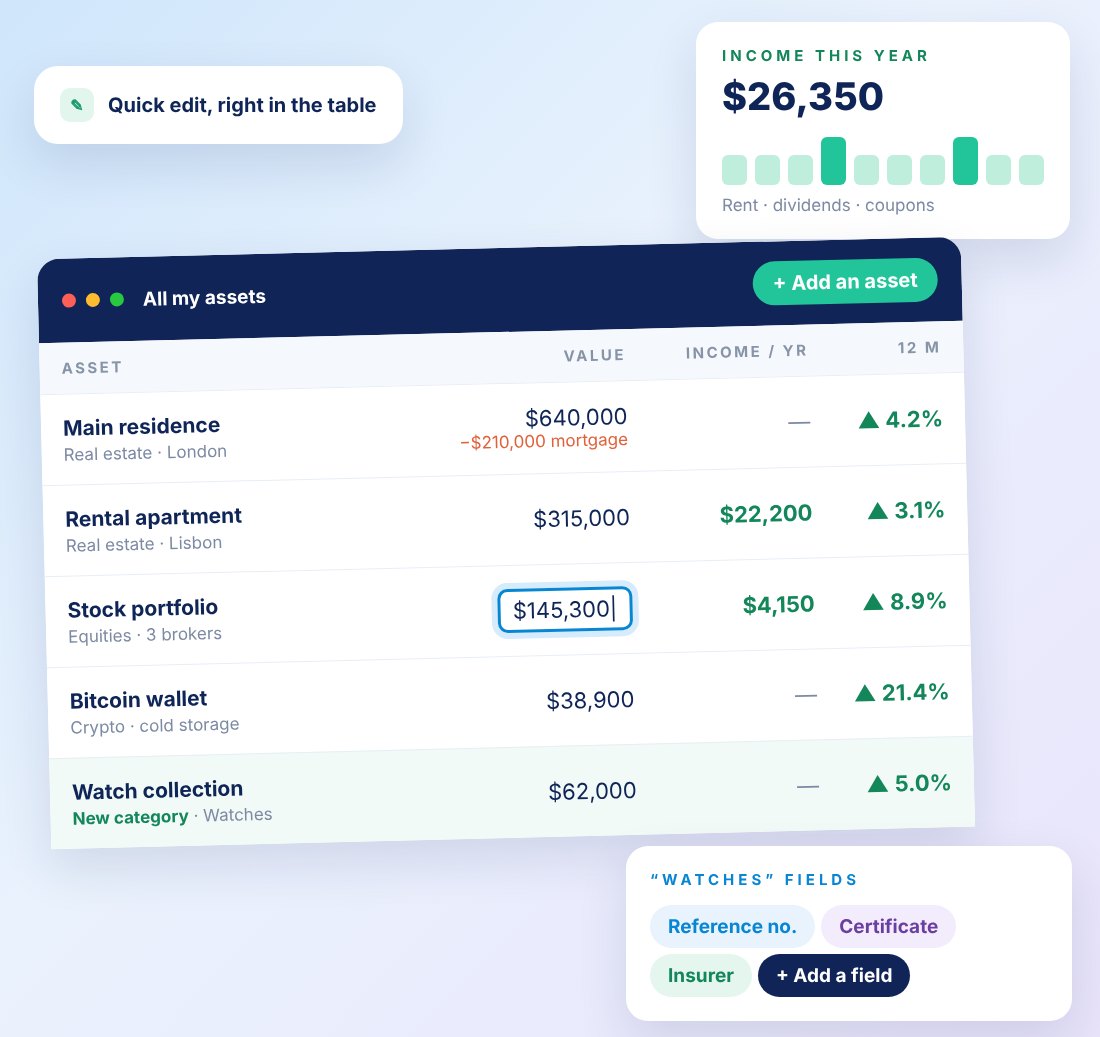
Frequently asked questions
Is a bank account frozen when the owner dies?
Generally, individual accounts are restricted once the bank is informed, until the heirs or authorised person are identified. The balances become part of the estate.
Can the surviving holder use a joint account after a death?
Often yes, depending on the account agreement and local law. However, part of the balance may belong to the estate, and heirs may have rights over it.
Can funeral costs be paid from the deceased’s bank account?
In many countries, yes, within a limit set locally and on presentation of the funeral invoice. Ask the bank’s bereavement service.
How can heirs find all the deceased’s bank accounts?
Some countries have central account registers accessible to notaries or authorities, but foreign and online accounts may not appear. A record left by the deceased, such as an OSTREON vault, is the most reliable source.
This article is general information, not legal, tax or financial advice. Rules differ by country and change over time — check with a qualified notary, lawyer or adviser for your situation.