
Two passports, one estate: an expat family’s story
Ana is Portuguese, David is British, they live in France and own a flat in Lisbon. A fictional — but very realistic — story of what happened when David died, and what would have made it easier.
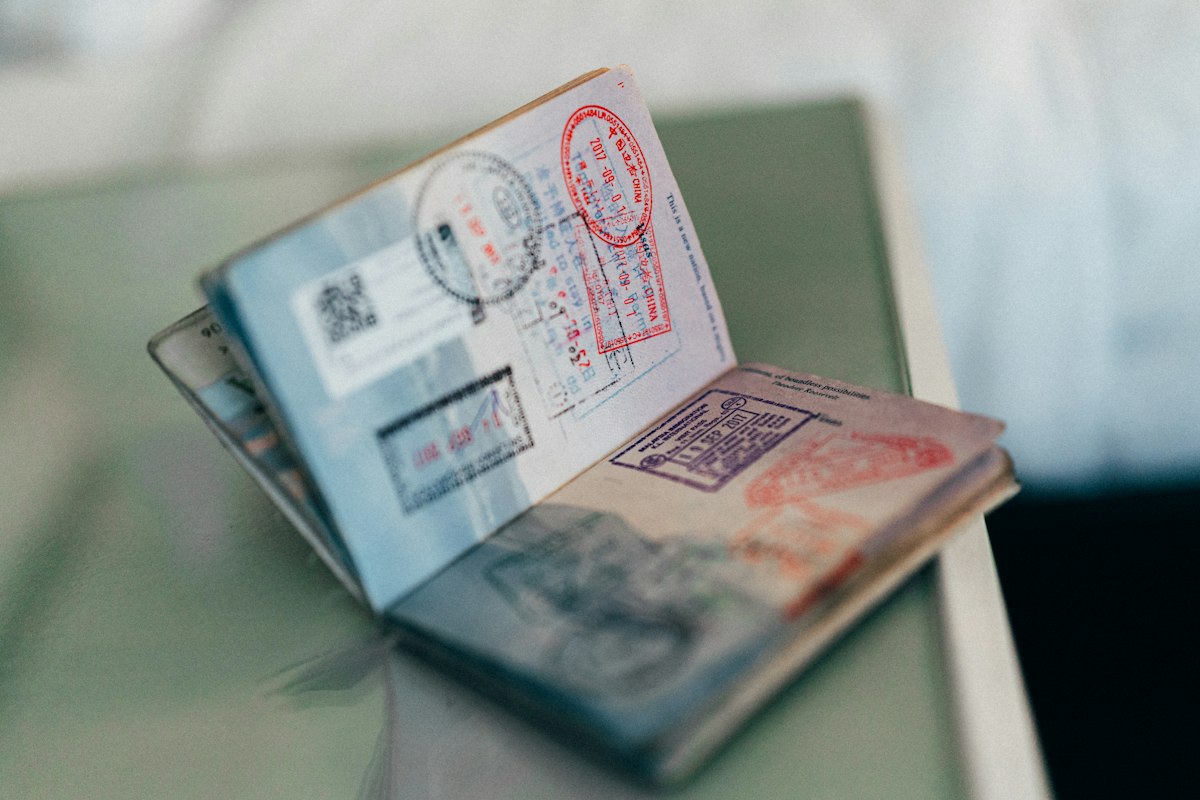
This fictional story follows an international couple through a cross-border succession: different nationalities, residence in a third country, assets in several places and heirs abroad. It illustrates the issues expat families meet — which law applies, local formalities for property abroad, unknown accounts, language barriers and tax in more than one country — and how early preparation, a choice of law where appropriate and a shared, secure asset record shorten the process.
- International families face several legal systems at once; one of them usually governs the succession, but others still have a say.
- Property abroad often needs local formalities and a local professional.
- Language and distance make missing information far more costly.
- A single, secure, bilingual map of assets is the best gift to an international family.
This story is fictional. The situation is common.
Ana and David met in London, married in Lisbon and moved to Lyon for work. Their two children grew up speaking three languages. David kept his British pension and a savings account in Manchester; Ana inherited a small flat in Lisbon from her grandmother; together they bought a house near Lyon. A typical European life.
When David died suddenly at 58, Ana discovered that grief came with a passport problem. Which law applied — French, British, Portuguese? The French notary explained that, under the EU rules, the succession would generally follow the law of David's last habitual residence, France, unless he had chosen the law of his nationality in a will (Living abroad? How the EU Succession Regulation decides which law applies to your estate). He hadn't.
The house was straightforward. The Manchester account was not: Ana knew it existed but had no account number and no online access; the British bank required documents translated and certified. The British pension needed separate forms. The children, one in Berlin, one in Montreal, could help only by email.
Then there was the question of David's online brokerage account. Ana remembered him mentioning it once. It took four months, and a forwarded tax document, to identify the platform.
In the end everything was found. It took eighteen months, several translators and more energy than Ana had to give.
What would have changed everything
- A conscious choice of lawDiscussed with a notary, written into a will — whatever the choice, it removes uncertainty.
- A map by countryEvery account, pension and property with its country, institution, references and documents (Assets in three countries: a cross-border inheritance playbook).
- Local contactsThe name of a professional in each country where there is property.
- Notes in the family's languageA short description of each asset that Ana and the children could understand instantly.
- Information for heirs abroadSo the children in Berlin and Montreal could act without waiting for paper mail.
Built for families that live across borders
With OSTREON, David would have recorded each asset with its country, institution and documents, written notes for Ana and the children, and stored his will and the notary's details. When he stopped confirming he was fine, each family member — wherever they live — would have received secure online access to their part. Separate EU and US instances keep data under the privacy law of its region.
Start your free month →Frequently asked questions
Which law applies to the estate of an expat living in France?
Under the EU Succession Regulation, generally the law of the last habitual residence (France in this example), unless the deceased chose the law of their nationality in a will.
Do I need a local professional for property abroad?
Often yes. Even when another country’s law governs the succession, transferring property usually requires local formalities and documents.
How can international families make a succession faster?
By making a conscious choice of law where possible, mapping assets by country with references and documents, recording local contacts and sharing information securely with heirs abroad.
Is this story real?
No, it is fictional, but it reflects issues international families commonly face.
This article is general information, not legal, tax or financial advice. Rules differ by country and change over time — check with a qualified notary, lawyer or adviser for your situation.