The great wealth transfer: what it means for your family
Over the coming decades, an unprecedented amount of wealth will pass from one generation to the next. Beyond the headlines, here is what it changes for ordinary families — and what to do about it.

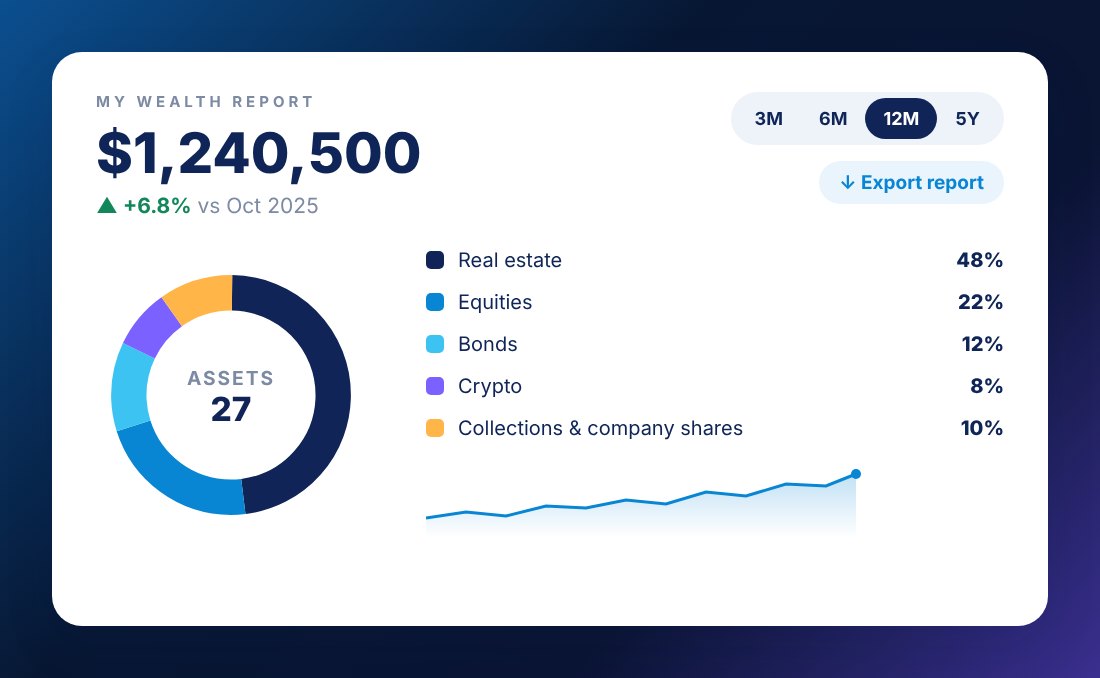
The “great wealth transfer” refers to the large volume of assets expected to pass from older generations, especially baby boomers, to their heirs over the coming decades. For families, it means more estates that include financial investments, property in several places and digital assets; heirs who may live in other countries; and a real risk that value is lost through disorganisation, unclaimed assets, disputes or rushed decisions. Preparation — inventory, conversation and secure transmission — is what turns the transfer into continuity.
- The transfer isn’t only about the very wealthy: ordinary estates are more complex than ever.
- Assets are more digital, more international and more scattered than in previous generations.
- Heirs are often abroad, busy and unfamiliar with their parents’ finances.
- Value is lost through disorganisation as much as through tax.
Economists and banks have spent years forecasting the “great wealth transfer”: as the post-war generation ages, a historic volume of assets will change hands. The headlines focus on totals. Families should focus on something else — how that transfer will actually happen in their own living room.
Three things that are different this time
Where value gets lost
- Unknown assets that are never claimed (Lost after death: how money goes unclaimed — and how to make sure yours doesn’t).
- Delays that let options expire (Stock options, RSUs and BSPCE: the startup equity your family might never claim) or bills pile up.
- Disputes born of unexplained decisions (The letter of wishes: the most human document in your estate plan).
- Rushed sales of property or collectibles (Watches, art, wine: document your collection so your heirs don’t sell it for a song).
- Scams targeting heirs (Inheritance scams in the age of AI: deepfakes, fake notaries and phishing heirs).
What families can do now
- MapA complete, current picture of assets and debts (Build your personal balance sheet in one afternoon).
- TalkHave the conversation across generations (How to talk to your parents about their estate (without it being awkward)).
- DecideWills, beneficiary clauses, guardians — with professionals.
- Secure the transmissionMake sure the right people get the right information at the right moment.
Turn a transfer into continuity
OSTREON combines what families need for the transfer: an asset and wealth portal to see everything today, an inheritance tree to decide who receives what, and a secure, automatic release when the time comes — encrypted on your device, pentested by KPMG.
Start your free month →Frequently asked questions
What is the great wealth transfer?
The expected passing of a very large volume of assets from older generations, notably baby boomers, to their heirs over the coming decades.
How does the great wealth transfer affect ordinary families?
Estates are increasingly digital, international and complex, and heirs may live far away — so disorganisation, unclaimed assets and disputes can destroy value.
How can families prepare for an intergenerational transfer?
By mapping assets and debts, talking across generations, making legal decisions with professionals and securing how information reaches heirs.
Is the great wealth transfer only relevant to the very rich?
No. Even modest estates now include online accounts, pensions in several systems and digital assets that need preparation.
This article is general information, not legal, tax or financial advice. Rules differ by country and change over time — check with a qualified notary, lawyer or adviser for your situation.